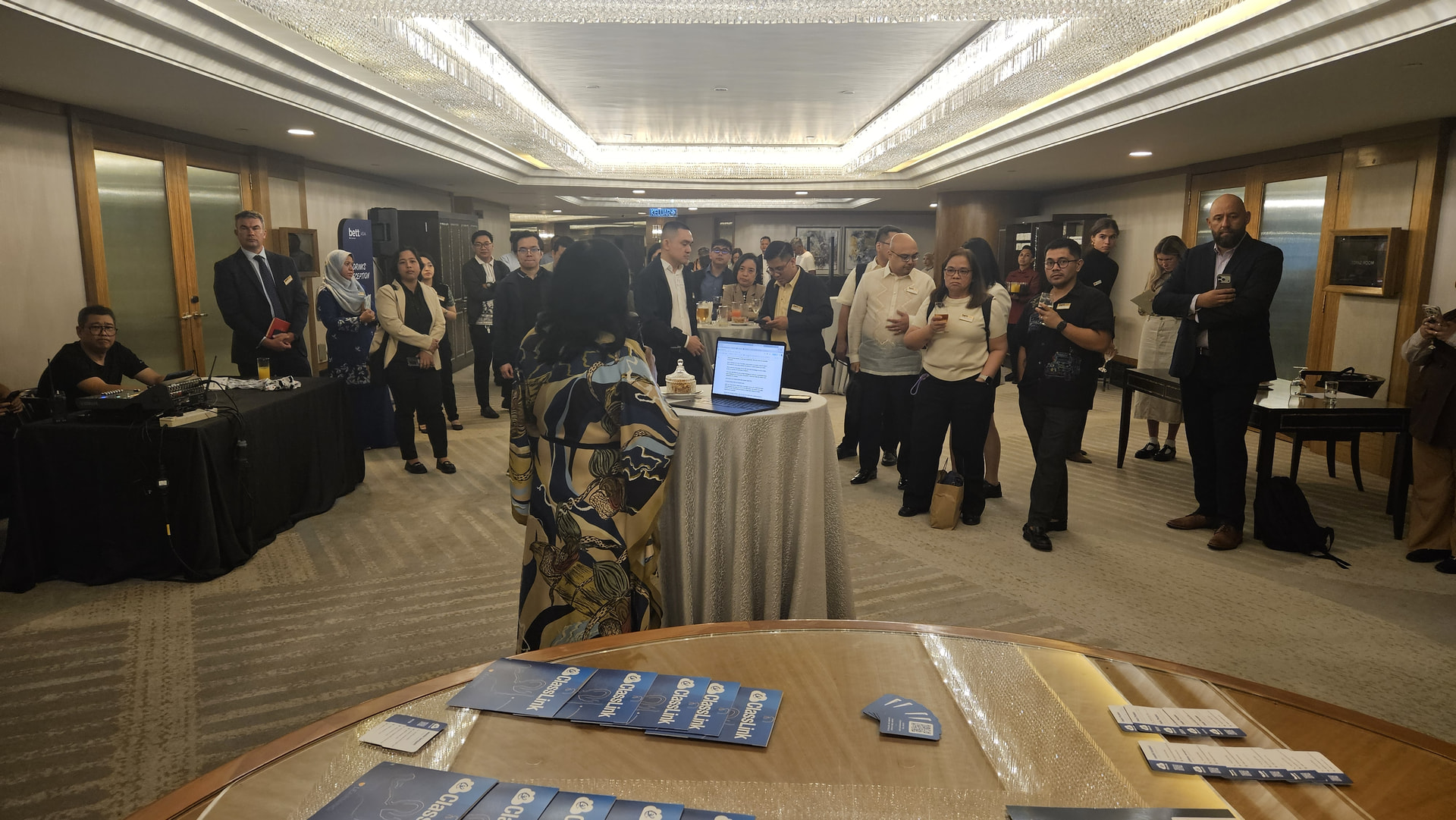
- SIAI’s offical notice and my presentation: Professor Keith Lee Speaks at Bett Asia 2026 Leadership Summit | Swiss Institute of Artificial Intelligence
- Bett Show’s notice: Beyond retraining: Lifelong education in the age of superhuman labour | Bett Asia
Over the past few days, I have heard many serious conversations about AI, the future of education, employability, inclusion, and the need to prepare people for change.
Yet one question remains strangely underdeveloped: prepare them for what, exactly?
It is easy to say that education must remain relevant in the age of AI. It is much harder to identify a realistic path for people whose current work will be partly or substantially displaced by increasingly capable systems.
My concern is that AI will not distribute its benefits evenly. In many professional settings, the top two or three people out of ten may remain highly productive with relatively little institutional help. They already possess strong judgment, domain knowledge, adaptability, and the confidence to work with new tools. AI may make them even more productive.
But education cannot be designed only for those people.
The real policy problem concerns the fourth and fifth person on that ability ladder: capable people who are not naturally positioned to remain at the frontier, but who can still become substantially more productive if institutions give them a realistic route forward. If we lose them, we lose both labour retention and a large part of the social legitimacy needed for technological progress.
The answer cannot simply be “learn to code,” nor can it be another short course on the latest AI tool. Technical access is becoming abundant. What remains scarce is the ability to define a problem, judge an output, understand context, take responsibility, and work with others when automated systems are doing more of the routine cognitive work.
That suggests a more difficult but more useful compromise. We should not promise that everyone will become an AI engineer, researcher, or top-tier strategist. Instead, we should build recurring pathways that help people move into roles where human judgment still matters: supervision, interpretation, domain coordination, client responsibility, institutional decision-making, and the translation of technical capability into real-world action.
This is why lifelong education must become more than retraining after a job has already disappeared. It should be a continuing institutional relationship, helping people update their capabilities before they become economically peripheral.
The question is not whether AI will make society more productive. It almost certainly will. The question is whether we can broaden the group able to share in that productivity—before the gap between the first few people and everyone else becomes too large to repair.