Conference - Fondazione Giorgio Cini (July 2nd - July 4th, 2026)


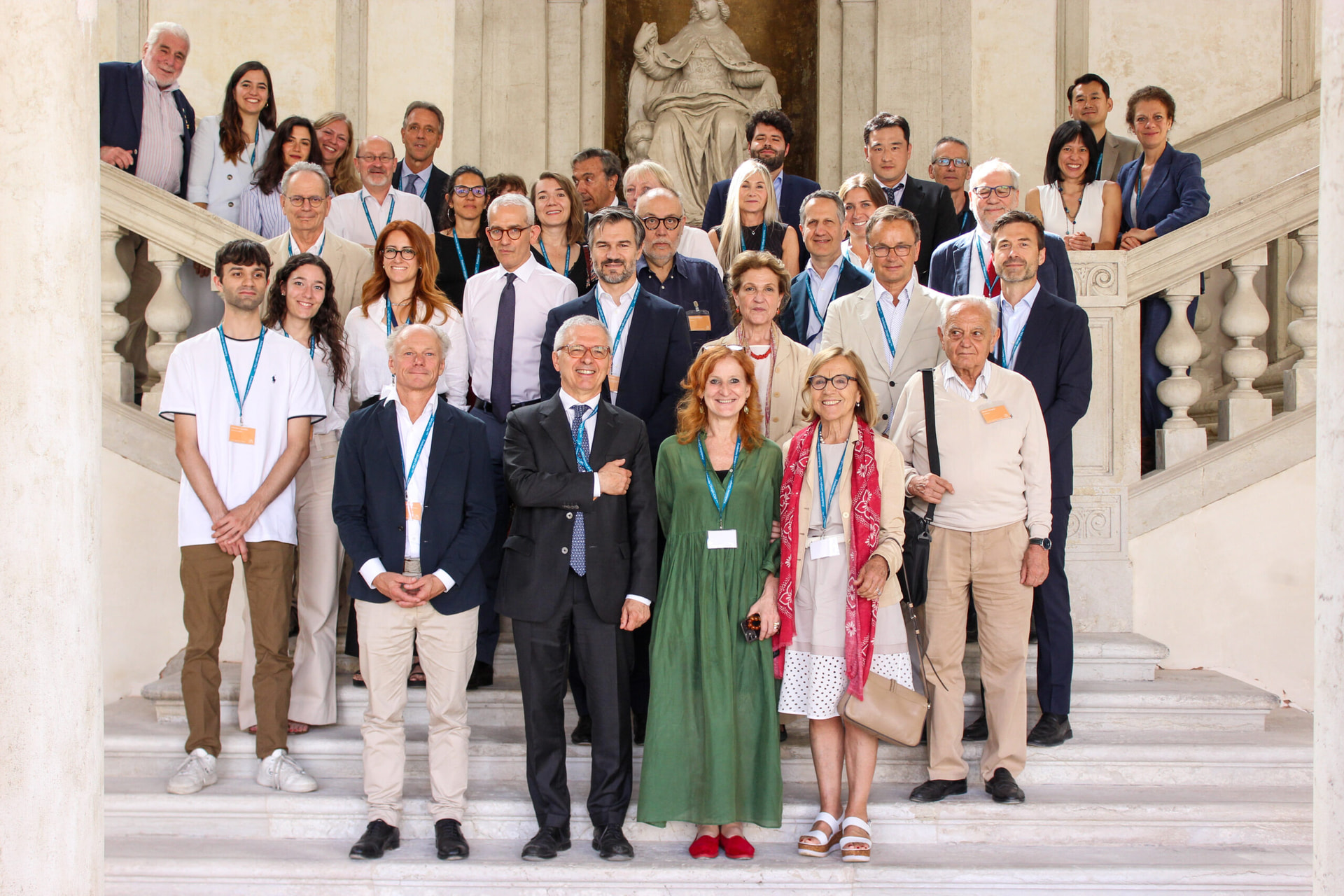
Note: Longhena stairs, San Giorgio Cini at Fondazione Giorgio Cini conference for ‘Inequalities in Longevity’ - Myself right top Asian man with blue jacket
Source: Inequalities in Longevity | Drivers, Frailties and Policy Responses to an Underestimated Challenge - Fondazione Giorgio Cini

My presentation

My coverage is 10:00-10:20 on July 3rd (GMT+1 w/ daylight saving). You are welcome to watch the live streaming. Video record will also be available. (Added the video record above)

I discussed how AI-driven productivity concentration may become an indirect driver of longevity inequality by reshaping labor markets, lifetime income, access to healthcare, housing, and social welfare.

Below is one minite summary of my presentation, which I’ve also used for a video interview during the conference.

The conference is about inequality in longevity and the many factors that shape it. My contribution focuses on artificial intelligence. When people think about AI, they often think immediately of robots, self-driving cars, or full automation. But before that stage, we may see an intermediate phase in which a smaller number of highly AI-proficient workers become far more productive, while less adaptable workers lose bargaining power or move into lower-quality jobs. Over time, this can create large differences in lifetime income and wealth. Since income and wealth affect access to better healthcare, housing, neighborhoods, education, and social support, AI may become an important indirect driver of inequality in longevity.
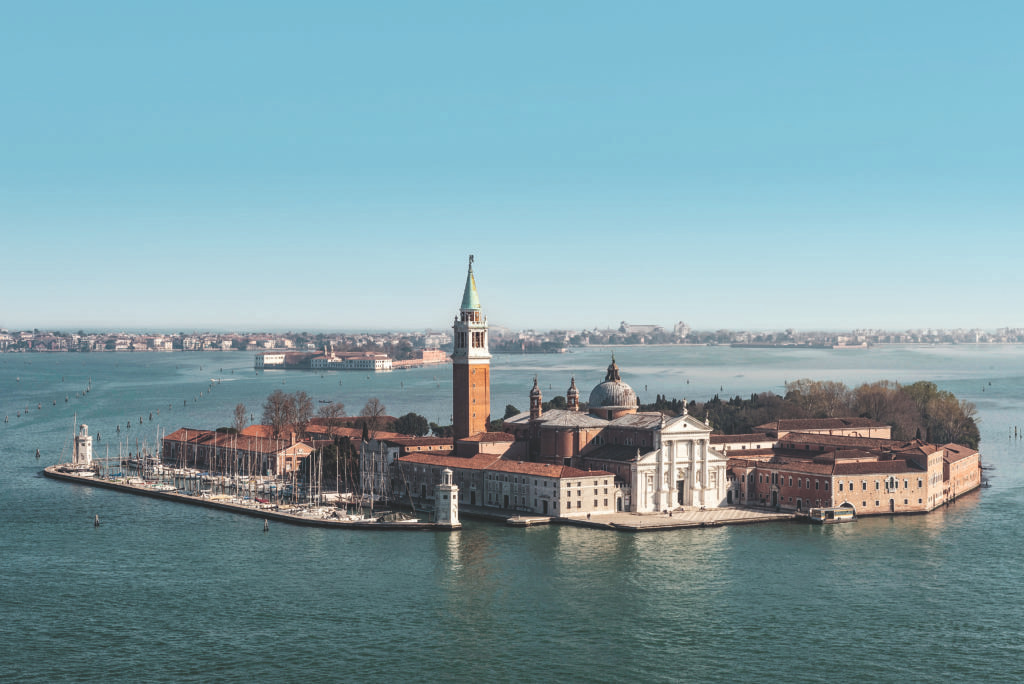

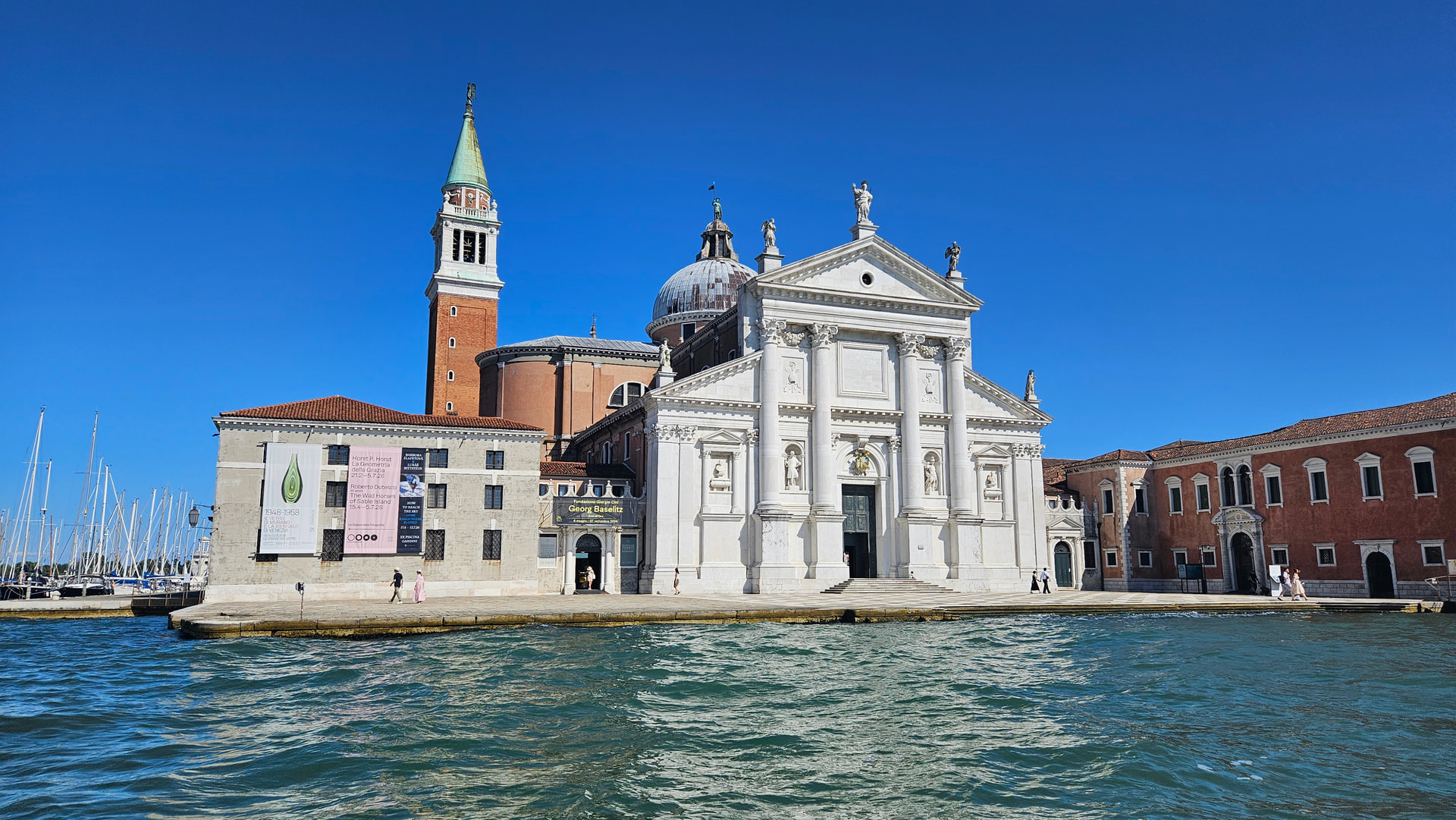
Note: Island of San Giorgio Maggiore, Ph by Francesca Occhi for Giorgio Cini Foundation
Source: Inequalities in Longevity | Drivers, Frailties and Policy Responses to an Underestimated Challenge - Fondazione Giorgio Cini
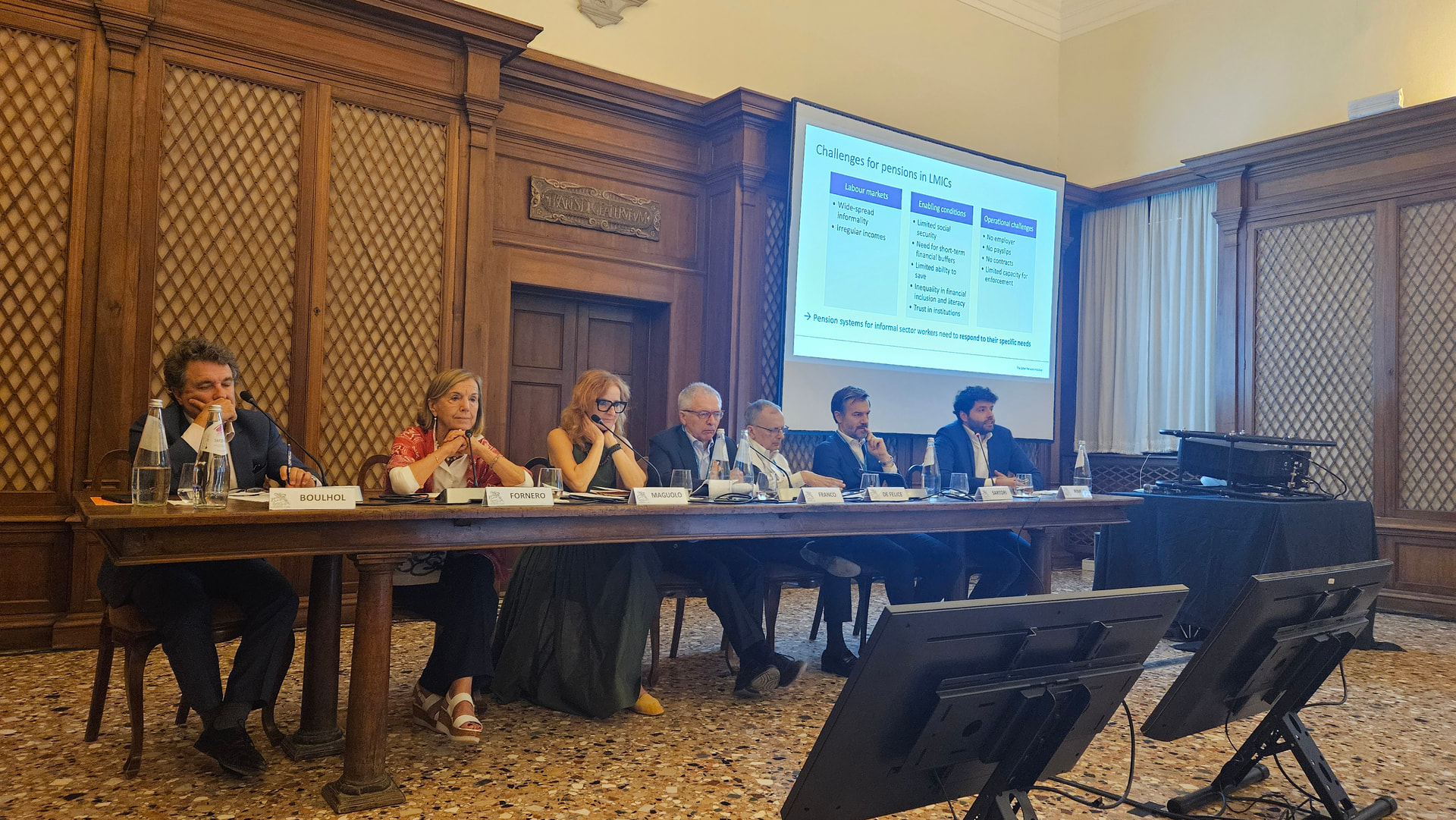
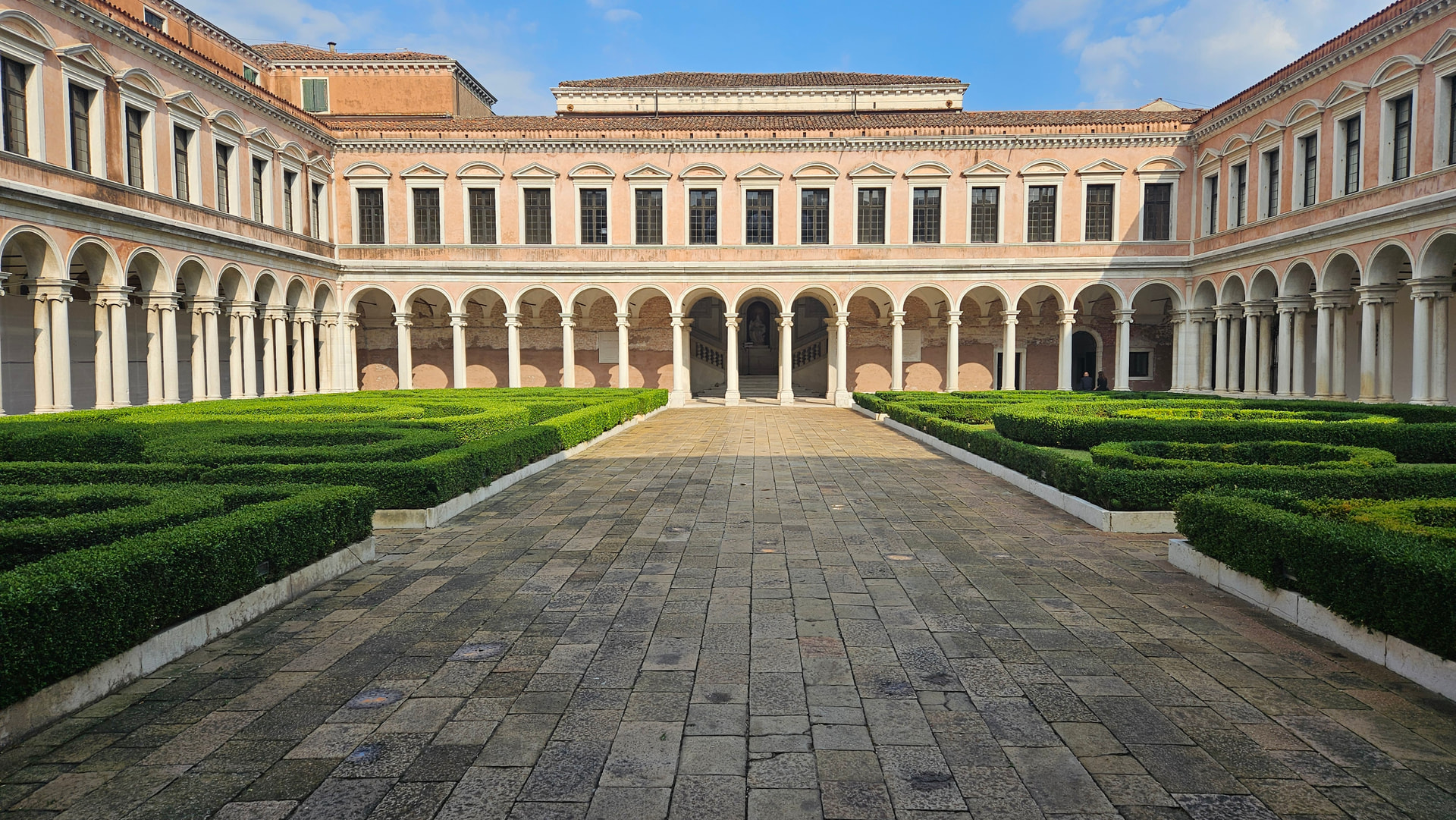
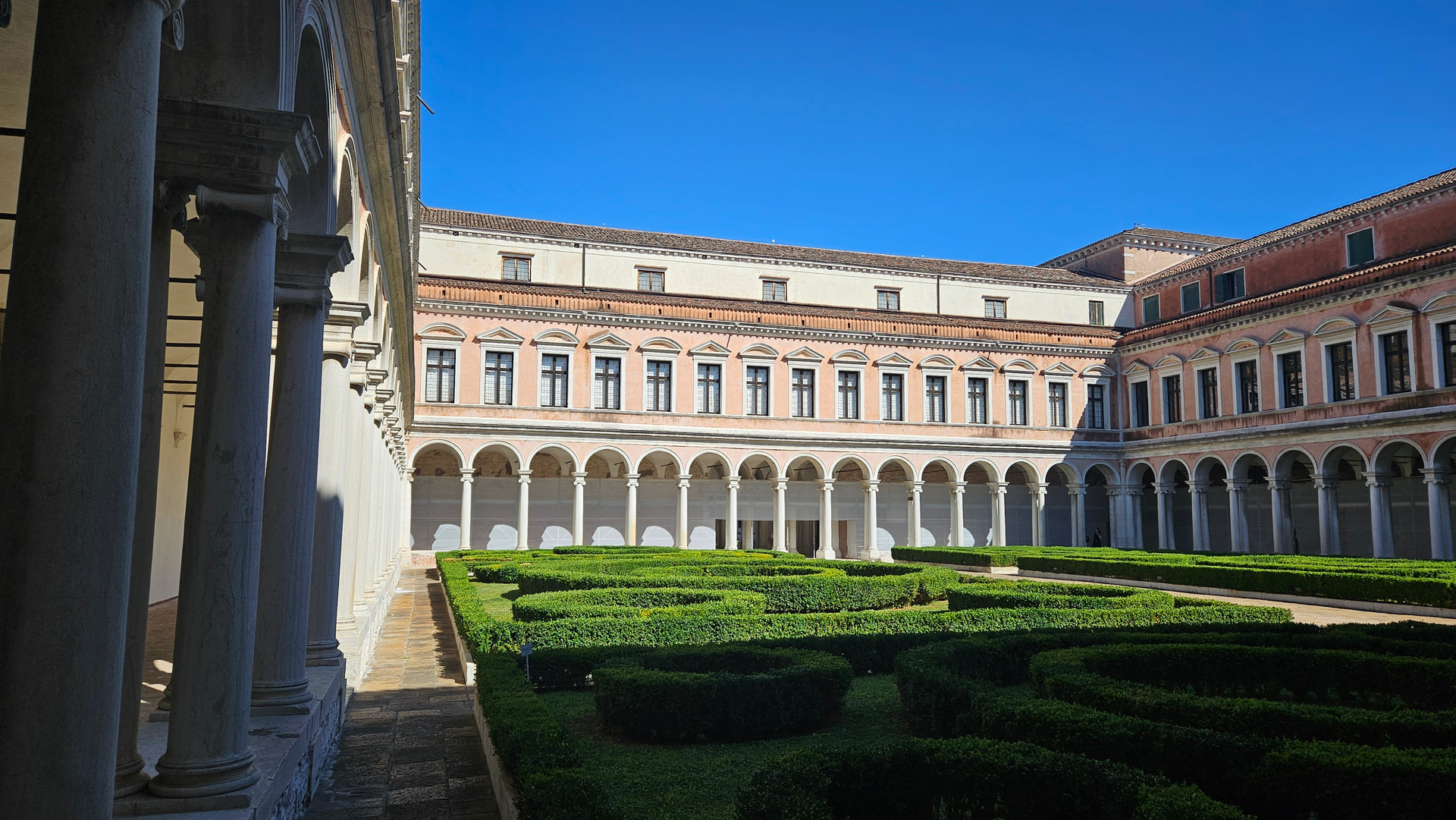
It was probably the most prestigious conference venue I have ever attended as a presenter.

One paper I’ve written recently covers the same topic as the presentation, so if interested, plz take a look

There are a few shorter version articles.

(With the same topic, but less policy more US industry related version will be presented at SCTE AI/ML seminars on July 16, 2026. But I heard this one will be a closed event for US telecommunication industry members, so if interested for your own group, plz email to [email protected] and ask my boss directly.)

I am going to publish another paper following the Italian conference that how AI as of 2026 affects the inequalities in longevity. I’ve met a number of experts in the related fields from a variety of backgrounds, and from them, I have learned a lot. It really was a big surprise to see how much work has been done for human longevity for the past 100 years and how Europe has managed to boost heathy longevity over the years. I feel a bit shameful to share too little for the knowledge that I learned from the conference and the hospitality from the Foundation. (Fondazione Giorgio Cini).

By the request of one of the conference organizers, Ms. Michela Maguolo, I have given a 1-min video interview about AI’s impact on growing inequalities in labor market and longevity, which probably will be available in a few days or weeks. Not sure if I am reputed enough to address such an issue, but i did so largely because I felt I had to pay back something for the learning and hospitality. I just hope that the 1-min video meets her needs.

Back in Feb 2026, when we first got the email from the Foundation, we first thought it was a spam. But, given the fact that the lead director of this conference is Daniele Franco, former Ministry of Economy and Finance of Italy, we thought that for this to be a spam, that would be a huge identity theft.

I haven’t even had a chance to meet Korea’s former Ministry of Economy and Finance yet, so just by the fact that i could attend a conference that a G7 country’s Ministry of Econ / Finance already is one factor that it is difficult to measure the value fo this conference. I wish Korea also can host such conferences led by senior cabinet members of the public offices, but considering the political division in Korea and growing geopolitical tension around Korean peninsula, I doubt there ever will be.

What actually surprised me was that another Italian high office’s former cabinet member also attened the conference and shared what she had to go through for pension reform. As Elsa Fornero mentioned, pension reform is not a technical problem, but a political problem. At the end of the day, it is just to choose how to persuade the groups that had to compromise with the reform and how to persuade general public to follow the changes for the better. In almost all cases, pension reforming governents failed to be re-elected. The only exception in my memory is Japanese Prime Minister Koizumi Junichiro.

Will there ever be a conference in Korea that is hosted by a former Minstry of Economy and Finance, while a former Ministry of Labor throws questions to all presentations for a 2-full-day conference? Not just random questions, but a highly sensible, political, practical, yet still very much motivated by hard economic theory?

Italy certainly is not the most powerful country in the world. I could feel a lot of 2nd-tier country like infrastructure issues during the short-term visit, but the two high cabinet members’ quality indeed told me that why Italy is still G7.

National leaders, leader candidates, and supporting high cabinet member groups are not grown automatically. Given that both Mr. Franco and Ms. Fornero are 1940s and 1950s born politicians and economists, who served the country in early 2020s, it takes at least half a century for such leaders to grow. And assuming that they must have had role models in their childhood, we probably need a century to build a social infrastrcture to foster such future leaders. Looking back to Korea again, unfortunately I cannot see that we are soon going to have such a leader and leadership cabinet candidates, who can continue their contribution to the country through academic settings and extended business network like the conference.